Commercial Waste in Reigate

Commercial waste in Reigate needs a service that keeps business rubbish moving, sorted and ready for responsible handling. We provide a practical waste removal service for day-to-day trade rubbish, bulkier mixed loads and recurring clear-outs, with options that suit offices, shops, hospitality premises and other workplaces in the area. The aim is straightforward: remove unwanted material efficiently, manage it sensibly and help businesses maintain clearer, safer working space.
Our approach covers collection of common commercial waste streams, including general refuse, recyclable materials and bulky items that need more than a standard bin lift. Where a load contains several types of material, separation at source can make the process easier and support better recycling outcomes. If you need business waste removal arranged around your opening hours or site access, we can talk through the practical details and shape the job to the premises.
When you are planning a collection, it helps to note roughly what needs to go, how much space the waste occupies and whether any items are awkward to move. A simple list of materials is usually enough to start the conversation, and photographs can help if the load is mixed or stored in different areas. If you are ready to make a start, please ask for a quotation.
Business waste collections for working premises
Business waste often builds up in ways that do not suit ordinary household handling. Cardboard, packaging, broken fixtures, paper records, old displays and office furniture can all appear at different times, so a flexible collection service is often the most useful option. We can clear one-off accumulations or recurring material from workplaces that need a dependable way to stay on top of disposal.
For many premises, timing matters as much as the load itself. Collections may need to be arranged before opening, after closing or during quieter periods so staff, customers and deliveries are not disrupted. Clear access, a sensible route from storage to exit and enough information about what must be removed all help make the job more straightforward. Good preparation is less about perfection and more about clarity, so a brief description of the waste and the site is usually a useful starting point.
What commercial clearance can include
Typical items may include bagged general waste, archive paper, shelving, packaging, obsolete stock, worn office chairs and dismantled fixtures. Larger mixed loads are usually handled with care so that reusable or recyclable components can be separated where appropriate. If your business needs a tidier handover after a refit, relocation or stock change, a planned clearance can remove the leftover material without turning the job into a major interruption. business waste removal is the core service here, but the exact load can vary from site to site.
Recycling and disposal choices

Commercial waste handling is not just about taking items away; it is also about deciding what can be reused, recycled or disposed of in the most suitable way. Cardboard, certain metals, some plastics, paper and clean wooden items may be separated from general waste when conditions allow. Material that cannot be separated safely or practically is treated as part of the mixed load, which keeps the process realistic rather than overcomplicated.
Recycling and sustainability matters because business premises often generate predictable streams of material that can be planned for. A sensible approach can reduce unnecessary mixing, support better sorting and make future clear-outs easier to organise. The important point is to be honest about the waste you have rather than trying to force every collection into the same pattern; some jobs are neat and routine, others contain awkward or damaged items that need ordinary disposal.
Where a collection contains confidential papers, specialist equipment or items with distinct handling needs, it is better to mention that early so the load is understood properly. Different waste types may need different treatment, and a clear description avoids confusion when the collection is arranged. If you are comparing options, a brief, practical quotation request with the main materials listed will usually be more useful than a long explanation of why the waste has built up.
Office and workplace clear-outs
Office clear-outs usually involve a mix of furniture, paperwork, small appliances, storage units and general rubbish that has accumulated over time. We can support moves, refurbishments, downsizing and periodic clean-ups by removing items that are no longer needed. For a workplace, this kind of service is often as much about restoring usable space as it is about disposal, especially when desks, chairs and cupboards are taking up room that is needed for current operations.
Some clear-outs need a careful sequence, especially where access is shared, stock is nearby or furniture must be moved through narrow routes. In those cases, it helps to identify the heavier items first and explain whether anything needs dismantling before removal. If a floor, suite or storage area is being emptied in stages, we can usually plan the job so the work fits around the site rather than forcing the site to fit around the work.
Practical items often removed from offices
- Desks, task chairs and visitor seating
- Filing cabinets, shelves and storage units
- Paper records, packaging and mixed rubbish
- Small appliances and redundant equipment
- Loose items left after a move or reconfiguration
Furniture and bulky item disposal

Many commercial clearances include bulky furniture that is too large or too awkward for normal waste arrangements. Office desks, reception units, shelving, meeting tables and soft seating often need to be lifted, carried and loaded in a way that avoids damage to walls, floors and shared access routes. When items are too large to move intact, careful dismantling may be the best route, provided it is safe and practical to do so.
Furniture disposal is often the simplest way to tackle older or damaged pieces that are no longer wanted, but not every item needs to be treated the same way. Reusable furniture may be suitable for separate handling, while broken or worn pieces may go with the mixed waste. If your premises contain a combination of usable and unusable items, it helps to group them in advance, though it is not necessary to sort everything perfectly before collection.
For workplaces replacing several items at once, a planned removal can keep the process orderly and reduce disruption. It is useful to confirm whether lifts, stairways or narrow corridors are involved, because those details affect how the removal is arranged. Clear access information can save time on the day, but the main priority remains a straightforward description of what needs to be taken away.
Specialist waste streams and cautious handling
Some commercial premises produce items that require more care than ordinary office rubbish. This may include fridges, certain appliances, broken fixtures, old storage equipment or material that needs extra attention because of its condition. The right approach is to identify those items separately so they can be managed with suitable handling rather than left mixed into the rest of the load.
Fridge and appliance removal can be relevant where break rooms, staff kitchens or small hospitality areas are being updated. Appliances are often bulky, awkward and weighty, and they can also contain parts that need proper handling. If your waste includes something that is damaged, dirty or unusually heavy, it is better to mention that specifically so the collection can be arranged with the right expectations.
There are also occasions where waste presents added complexity because of its contents or condition. For those jobs, clear description matters more than volume alone. If you are unsure whether an item belongs in a standard collection or needs a different type of handling, ask before the waste is moved into a larger pile. It is usually easier to plan sensibly at the start than to separate everything later.
Garages, storage areas and ad hoc commercial spaces
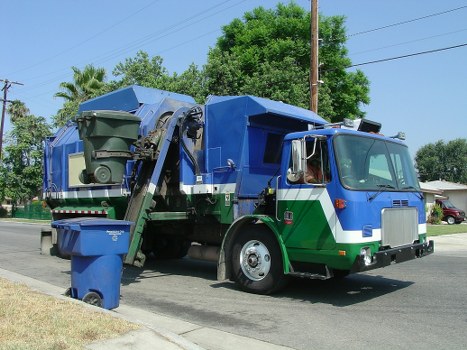
Not every commercial waste job begins in an office or shop floor. Some premises have garages, stores, plant rooms, back rooms or outbuildings where unused stock, obsolete fittings and assorted rubbish accumulate over time. These areas often become catch-all spaces, which means the waste can be a mixture of light items, heavy pieces and awkward objects that have been waiting for attention.
Garage clearance is useful where a business has a side area or storage unit that needs to be emptied rather than tidied around. In these spaces, the main task is usually to create a clear working area again, making sure unnecessary items are removed without leaving the useful contents mixed up with the waste. Where the room contains several categories of item, a brief note about what stays and what goes can prevent confusion.
Storage clearances are often best approached in stages. Grouping similar items together, placing fragile material apart from heavier loads and keeping access open can make the removal smoother. If the area contains loose rubbish alongside furnishings or equipment, the collection can still be managed sensibly; the key is to describe the mix accurately so the right plan can be made from the outset.
Kitchen, staff room and hospitality waste
Commercial waste often includes items from kitchens, canteens, break rooms and hospitality spaces, where appliances, seating, tables, packaging and mixed refuse all appear together. These areas may have tighter routes, more frequent turnover and a stronger need for prompt tidying, especially if a room must return to use quickly. The service can therefore need to balance speed with care, particularly where items are bulky or difficult to manoeuvre.
If a workplace is replacing furniture or equipment in stages, it can be useful to arrange collection after the main changeover rather than before it. That allows unwanted items to be gathered in one place and reduces repeated handling. Please note that any waste with unusual contents, damage or spill risk should be described accurately in advance so the collection can be planned appropriately.
About Reigate
Reigate is a market town in Surrey with a long history that is still visible in its streets, open spaces and layered town centre. It sits below the North Downs and has grown around a traditional core shaped by the High Street, Parish Church of St Mary Magdalene and older civic buildings. Reigate Castle, though now largely a mound and earthworks, recalls the town’s medieval past and its former strategic importance. The surrounding landscape includes Reigate Hill and the North Downs escarpment, which give the town a strong sense of enclosure and nearby countryside. To the west and south-west lie the wooded and open areas of Priory Park, one of the town’s most recognisable public spaces, while the town itself contains a mixture of historic architecture, Victorian and later development, and everyday commercial streets. Reigate railway station links the town into wider Surrey and London travel patterns, and the centre has a distinctly settled character with independent shops, cafes and services alongside older lanes and residential streets. Local life also connects to the wider borough, but Reigate retains a clear identity of its own, shaped by its market-town origins, access to the downs and the continuing importance of its centre as a place for work, visits and daily movement.
Planning a collection that suits your site
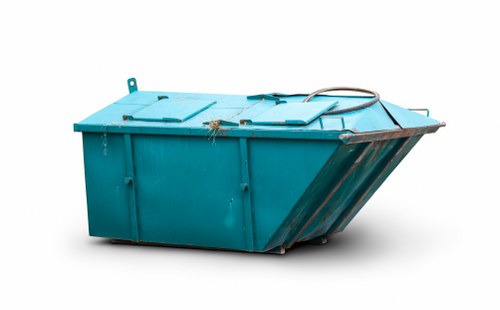
Commercial waste work tends to go more smoothly when the collection is planned around the site rather than the other way around. That means thinking about access, load size, lifting points and whether the waste is spread across several rooms. A shop may need back-of-house clearance, while an office may need a sequence of furniture and paper removal. The more accurately the material is described, the easier it is to arrange a suitable collection without unnecessary back-and-forth.
In practical terms, a simple note about the main item types is often enough to begin. If there are stairs, shared corridors, restricted parking or items that need dismantling, mention those points too. Pricing and quotes can then be discussed against the actual work needed, rather than against a guess. That is usually the fairest way to approach a mixed commercial load, because one site’s straightforward collection may be another site’s more involved clearance.
When you are ready, the next step is simple: send the key details and ask for a quotation. If your business has a regular waste pattern, it may also help to keep a note of the typical materials so future collections can be organised more easily. For a one-off job or an ongoing arrangement, we are ready to discuss the most suitable way to remove the waste and keep your premises clear.
Useful support for ongoing waste management
Many businesses benefit from thinking beyond a single clearance and considering how waste appears over time. Seasonal stock changes, refurbishments, office moves and equipment updates all create different disposal needs, so the right service is often the one that fits the pattern of the premises. Some customers need a one-off collection after a project; others need repeat visits when storage or back-of-house areas begin to fill again. The emphasis should stay on practical, manageable removal rather than on an elaborate plan that does not suit the site.
For jobs that involve a mixture of standard rubbish and more specific items, a brief separation before collection can make the process clearer. Paper, packaging, furniture, appliances and ordinary refuse do not always belong in the same treatment stream, and it is better to identify them honestly than to overstate how simple the load is. If you are comparing ways to handle the waste, a focused conversation about the materials and access is usually more useful than lengthy preparation. Please get in touch to arrange the next step.
If your premises need business waste removal, we can discuss the waste type, the access and the best collection approach before the job is scheduled. A short description of the load is enough to begin, and a straightforward quotation can follow once the practical details are clear. Contact us to request a quotation and arrange a suitable collection.